
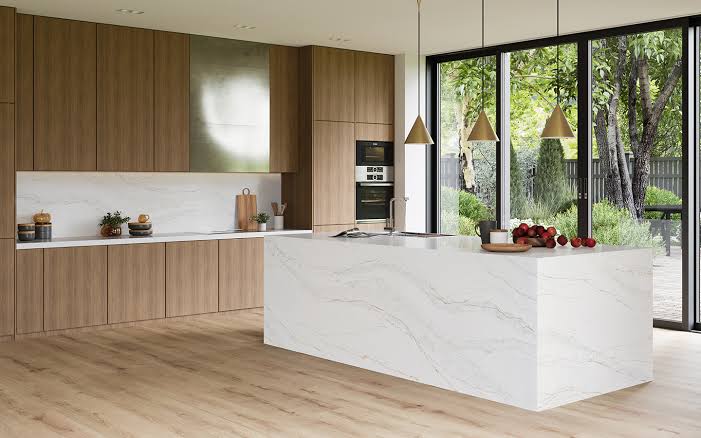
Interior design continues to evolve as homeowners, architects, and designers look for materials that combine attractive appearances with practical performance. Quartz countertop design trends reflect this demand, offering a wide range of colors, patterns, and finishes suitable for contemporary kitchens, bathrooms, and commercial interiors. From marble-inspired veining to understated neutral shades, engineered quartz surfaces from Hyundai L&C provide numerous possibilities for creating coordinated and visually appealing spaces.
Choosing a countertop, however, involves more than following the latest styles. Color coordination, lighting, maintenance requirements, installation considerations, and long-term design preferences all influence the final result. Understanding these factors helps homeowners make informed decisions and select surfaces that complement their interiors while meeting the demands of everyday use.
Understanding Modern Quartz Countertop Design Trends
Engineered quartz surfaces are manufactured using quartz minerals combined with binding materials, pigments, and other components. Their appearance and performance depend on the specific product formulation and manufacturing process. Unlike natural stone slabs, which develop their patterns through geological processes, engineered quartz can be produced in a controlled variety of colors and designs.
This design flexibility allows manufacturers to offer surfaces that complement traditional, transitional, and contemporary interiors. Some designs feature subtle, consistent patterns, while others replicate the movement and veining associated with natural marble and stone.
Current design considerations include:
- Color selection: Choosing shades that complement cabinetry, flooring, walls, and decorative elements.
- Pattern variation: Deciding between understated designs and distinctive veining.
- Surface finish: Comparing polished, matte, and other available finishes.
- Visual consistency: Coordinating countertop patterns with the overall interior design.
- Practical requirements: Reviewing care instructions, heat limitations, and installation specifications.
Evaluating these characteristics together helps ensure the countertop contributes to a cohesive design rather than appearing disconnected from the surrounding space.
Natural Stone-Inspired Quartz Designs
One continuing direction in countertop design is the use of engineered surfaces that resemble natural stone. Marble-inspired quartz, in particular, can introduce an elegant appearance without requiring homeowners to select natural marble.
These designs may feature delicate gray veins against white backgrounds, soft beige movement, or dramatic contrasting lines. The result can complement a variety of interior styles, depending on the pattern’s scale, color, and intensity.
For example, a white quartz countertop with subtle gray veining can complement white cabinetry, brushed-metal fixtures, and understated backsplashes. A design with more prominent veins may create a focal point on a kitchen island or bathroom vanity.
When choosing a stone-inspired surface, consider the following factors:
- Veining direction: Determine how the pattern will appear across the countertop and whether multiple slabs need visual coordination.
- Pattern intensity: Match the strength of the design to the room’s other decorative elements.
- Color balance: Coordinate the countertop’s background and veining with cabinetry, flooring, and wall colors.
- Slab layout: Discuss pattern placement and visible seams with the fabricator before installation.
Natural stone-inspired designs can introduce visual interest without requiring every element in the room to be decorative. Pairing a distinctive countertop with simpler cabinetry and restrained accessories often creates a balanced interior.
Warm Neutrals and Earth-Inspired Colors
White and cool gray countertops remain familiar choices, but warm neutrals also provide opportunities for creating comfortable, inviting interiors. Shades such as cream, beige, taupe, and warm gray work well with natural wood, muted wall colors, and earthy decorative materials.
These colors can be particularly effective in kitchens where homeowners want a softer appearance than a stark white-and-black palette. Cream-colored quartz, for example, can complement oak cabinetry, warm lighting, and textured backsplashes. Taupe surfaces can also coordinate with contemporary cabinets in brown, charcoal, or muted green.
Earth-inspired palettes are useful because they allow several materials to work together without competing for attention. A countertop can provide a visual connection between cabinetry, flooring, and decorative finishes.
When considering warmer shades, evaluate samples alongside the actual materials intended for the room. Lighting can affect how colors appear, and a shade that looks neutral in a showroom may appear warmer or cooler at home.
It is also helpful to consider the room’s natural light. North-facing spaces, for instance, may make some colors appear cooler, while warm artificial lighting can influence how cream and beige surfaces look.
Rather than choosing a color solely because it is popular, select one that supports the intended atmosphere and complements the room’s existing features.
Bold Veining and Statement Kitchen Islands
Kitchen islands frequently serve as preparation areas, dining spaces, and gathering points. Their size and central position make them natural locations for distinctive countertop designs.
Boldly veined quartz can create a focal point without requiring additional decorative features. Strong patterns, contrasting colors, and expressive stone-inspired designs may work particularly well when surrounding cabinets and walls have simpler finishes.
A statement island can also establish the interior’s color palette. For example, a countertop with dark gray veining may be coordinated with black fixtures, gray cabinetry, or carefully selected accessories.
However, a dramatic pattern needs thoughtful placement. Large-scale veining can look different depending on the slab dimensions, countertop shape, and location of cutouts for sinks or cooktops.
Before committing to a design, request information about slab availability and discuss the proposed layout with the fabricator. Reviewing the actual slab, when possible, can help clarify how its pattern will appear after cutting and installation.
The objective is to create a purposeful focal point rather than introduce visual competition. When the countertop carries a strong pattern, simpler backsplash materials and restrained accessories can help maintain balance.
Matte and Polished Quartz Countertop Finishes
Surface finish is another important consideration when evaluating quartz countertop design trends. Polished and matte finishes can create noticeably different impressions, even when applied to surfaces with similar colors and patterns.
A polished finish generally offers a smooth, reflective appearance that can help a space feel bright and refined. It may suit contemporary kitchens, elegant bathrooms, and interiors that incorporate reflective metal fixtures or glass accents.
Matte or other low-sheen finishes provide a more subdued appearance. These surfaces can complement minimalist interiors, natural materials, and cabinetry with understated textures.
Neither finish is automatically suitable for every project. Appearance, cleaning requirements, product availability, and manufacturer recommendations should guide the decision.
Before selecting a finish, ask the supplier about:
- Recommended cleaning products and maintenance procedures.
- How fingerprints, water marks, and other everyday marks may appear.
- Whether the finish has specific care requirements.
- Suitability for the intended residential or commercial application.
- Any limitations described in the product documentation.
Samples can help homeowners compare finishes under realistic lighting conditions. They also provide an opportunity to see how a countertop interacts with nearby materials before the full installation begins.
Coordinating Quartz Countertops With Cabinetry and Backsplashes
A countertop should complement the surrounding design rather than be selected in isolation. Cabinetry, backsplashes, flooring, wall finishes, and hardware all contribute to the final appearance.
One practical approach is to choose the most visually prominent material first and coordinate the remaining elements around it. If the countertop has pronounced veining, understated cabinetry and a simple backsplash can prevent the space from appearing overcrowded.
Alternatively, a relatively plain quartz surface can balance patterned floor tiles, colorful cabinets, or decorative wall finishes.
Consider these combinations when planning an interior:
- White quartz and natural wood: Creates a light, balanced appearance that suits many kitchen styles.
- Beige quartz and warm cabinetry: Supports an inviting palette with coordinated earthy tones.
- Gray quartz and dark cabinets: Establishes a contemporary look through controlled contrast.
- Marble-inspired quartz and simple backsplashes: Allows the countertop pattern to remain visually prominent.
- Neutral quartz and colorful cabinetry: Provides a restrained surface that balances stronger cabinet colors.
Grout colors, cabinet hardware, faucet finishes, and lighting should also be considered. Small details can influence whether the overall design feels coordinated.
For a more reliable comparison, assemble samples of the countertop, cabinet finish, flooring, and backsplash in one place. Reviewing these materials together can reveal color conflicts or pattern combinations that might otherwise go unnoticed.
Practical Considerations Beyond Appearance
An attractive countertop must also suit the way a space is used. Kitchens, bathrooms, and commercial environments have different requirements, making product evaluation an important part of the selection process.
Engineered quartz is valued for its design consistency and generally nonporous surface characteristics, although exact performance depends on the product. Its suitability for a particular project should always be confirmed through the manufacturer’s technical documentation.
Heat resistance deserves particular attention. Quartz surfaces should not automatically be treated as heatproof. Hot cookware can damage some products, so the manufacturer’s guidance should be followed, including recommendations for trivets and protective barriers.
Cleaning is another consideration. Use cleaning products approved for the selected surface, and avoid assuming that every household chemical is appropriate. Following the product’s care instructions can help preserve its appearance.
Installation requirements also influence the finished result. Countertop dimensions, edge profiles, cabinet support, cutouts, seams, and transportation considerations should be reviewed with a qualified fabricator or installer.
Before purchasing, confirm:
- The product’s recommended applications and limitations.
- Available slab sizes, colors, and patterns.
- Required support and installation specifications.
- Cleaning and maintenance instructions.
- Warranty terms and applicable conditions.
These checks help prevent design decisions from overlooking important practical requirements.
Exploring Engineered Surface Options for Modern Spaces
Homeowners and design professionals comparing countertop materials can benefit from reviewing collections that offer different colors, patterns, and finishes. Product information, samples, and technical specifications make it easier to evaluate how a particular surface could fit into a planned interior.
Hyundai L&C offers engineered surface products that can be considered during this process. Reviewing its available selections can help buyers compare design possibilities and identify options that align with their preferred aesthetic.
Rather than focusing exclusively on appearance, compare the characteristics of each product with the needs of the intended application. A countertop selected for a busy kitchen may require different considerations from one chosen primarily for a bathroom vanity or decorative installation.
It is also useful to discuss fabrication and installation details early in the planning process. Professional guidance can clarify whether a chosen pattern, slab size, edge profile, and layout are suitable for the project’s dimensions.
Combining product research with careful material coordination supports more informed decisions and helps reduce avoidable changes during installation.
Conclusion
Quartz countertop design trends offer a broad range of possibilities for contemporary kitchens, bathrooms, and other interior spaces. Natural stone-inspired patterns, warm neutral colors, expressive veining, and varied surface finishes allow homeowners to create designs that reflect individual preferences while coordinating with surrounding materials.
The most suitable choice depends on more than current popularity. Lighting, cabinetry, maintenance requirements, product specifications, fabrication, and installation all influence the finished result.
By comparing samples, reviewing technical information, and planning the relationship between the countertop and other interior elements, homeowners can make decisions that balance style with everyday functionality. Exploring the engineered surface options available from Hyundai L&C can provide an additional starting point for evaluating materials and developing a cohesive design that suits the space for years to come.