
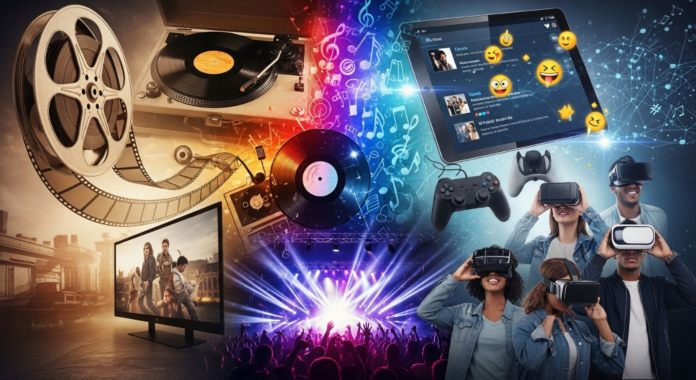
The film industry has undergone massive transformation over the past few decades, especially with the rise of digital platforms and streaming services. Traditional cinema distribution is no longer the only path for filmmakers to reach audiences. Today, films can be distributed through multiple channels, each offering unique advantages depending on budget, target audience, and production scale. Understanding film distribution models is essential for producers, independent filmmakers, and content creators who want to maximize reach and revenue. This guide breaks down the major distribution systems and how they work in today’s evolving entertainment landscape.
Traditional Theatrical Distribution and Its Industry Impact
Theatrical distribution is the oldest and most recognized model in the film industry. In this system, films are released in cinemas first before becoming available on any other platform. Major production studios typically collaborate with distribution companies that handle marketing, cinema bookings, and release strategies across different regions.
This model is designed to generate maximum revenue during the initial release period. Big-budget films rely heavily on box office performance, as theatrical releases often create hype and media attention. The success of a film in cinemas also influences its later distribution deals, including television rights and streaming contracts.
However, theatrical distribution comes with high costs. Marketing campaigns, distribution logistics, and cinema partnerships require significant investment. Independent filmmakers often find it difficult to enter this system without support from major studios or distributors.
Digital Streaming Platforms and Online Distribution Growth
The rise of digital platforms has completely changed how audiences consume films. Streaming services like Netflix, Amazon Prime Video, Disney+, and others have created new opportunities for filmmakers to distribute content globally without relying on cinemas.
In this model, films are either licensed to platforms or directly released as original content. This allows filmmakers to reach millions of viewers instantly across different countries. One of the biggest advantages of streaming distribution is accessibility. Viewers can watch films anytime, anywhere, without waiting for theatrical releases.
For independent creators, digital distribution has opened doors that were previously inaccessible. Many filmmakers now release their movies directly on streaming platforms or use aggregator services to distribute content across multiple platforms simultaneously.
However, competition on streaming platforms is intense. With thousands of films available, visibility becomes a challenge. Success depends heavily on platform algorithms, promotional strategies, and viewer engagement metrics.
Direct-to-Digital and Independent Film Distribution Models
Direct-to-digital distribution is becoming increasingly popular among independent filmmakers. In this model, films are released directly to online platforms, bypassing traditional cinemas and sometimes even major streaming services.
Filmmakers can use platforms like YouTube, Vimeo, or independent streaming networks to publish their content. Some also use video-on-demand (VOD) services where audiences pay to rent or purchase films individually.
This model gives creators full control over their content, pricing, and release strategy. It also reduces dependency on large studios or distributors. Crowdfunding and social media marketing often support these releases, allowing filmmakers to build audiences before launch.
However, success in direct-to-digital distribution requires strong marketing skills. Without proper promotion, even high-quality films can struggle to gain visibility. Building a loyal audience base is crucial for long-term success in this model.
Hybrid Distribution Models and the Future of Film Industry
Hybrid distribution combines multiple models to maximize reach and revenue. Many modern films are released in cinemas first, followed by streaming platforms, and later on television or digital rental services. This staggered approach helps filmmakers generate income from different audience segments.
For example, a film may premiere in theaters for a few weeks, then move to a streaming platform for subscription viewers, and finally become available for digital purchase or free streaming with ads. This layered strategy ensures continuous revenue generation over time.
Hybrid models also allow flexibility in marketing. Filmmakers can target different audiences at each stage of release. Blockbuster films may focus on theatrical success, while smaller productions may prioritize streaming performance.
The future of film distribution is likely to become even more flexible. With advancements in technology, artificial intelligence-driven recommendations, and global digital access, the boundaries between distribution models are becoming increasingly blurred. Filmmakers who understand and adapt to these evolving systems will have a significant advantage in reaching global audiences effectively.
