
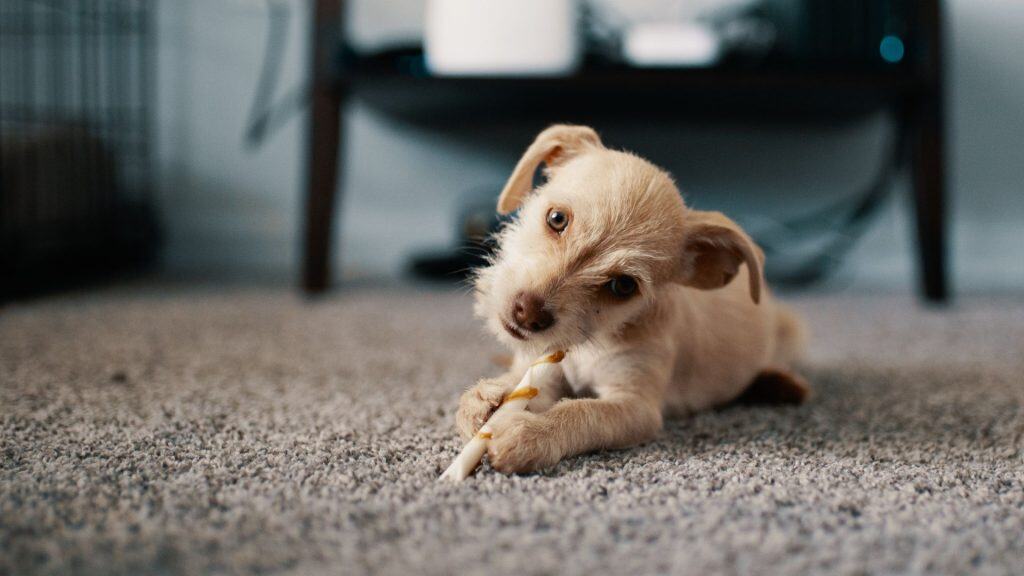
Bringing home a puppy is exciting, but it also comes with daily challenges that require patience, consistency, and the right training approach. From chewing furniture to jumping on guests and struggling with house training, early behaviors can quickly become lifelong habits if they are not addressed properly. Choosing a board and train for puppies program allows young dogs to learn important life skills in a structured environment while helping owners build confidence in handling their new companion.
Rob’s Dog Training believes early training should focus on building lasting habits rather than delivering quick fixes. Quality board and train programs teach puppies how to succeed in real-life situations through clear communication, positive reinforcement, appropriate social experiences, and consistent daily routines that support healthy emotional development. The result is a puppy that is more confident, attentive, and prepared for life at home.
Why Early Puppy Training Matters
The first several months of a puppy’s life are one of the most influential periods of development. During this time, puppies are constantly learning from every interaction they have with people, animals, and their surroundings.
Positive experiences during this stage help puppies:
- Build confidence around new environments
- Learn appropriate social behavior
- Develop emotional resilience
- Understand household expectations
- Form healthy communication with their owners
Without consistent guidance, puppies may develop unwanted habits that become more difficult to change as they mature. Early training provides structure while encouraging curiosity rather than fear.
What Is a Board and Train Program?
A board and train program allows puppies to stay with professional trainers for a designated period while receiving daily instruction and supervised practice.
Rather than attending one lesson each week, puppies participate in multiple structured training sessions every day. This consistent repetition helps reinforce new behaviors much faster than occasional practice alone.
Programs commonly include training for:
- House manners
- Crate training
- Leash walking
- Basic obedience
- Recall
- Greeting people politely
- Confidence building
- Socialization
- Impulse control
- Exposure to everyday environments
The goal is not simply teaching commands but creating reliable behaviors that carry over into everyday life.
How Structured Learning Benefits Puppies
Puppies thrive when expectations remain consistent.
Professional trainers follow carefully planned routines that help puppies understand when to eat, play, rest, train, and relax. Predictable schedules reduce confusion while improving learning efficiency.
Daily repetition also strengthens:
- Attention span
- Self-control
- Focus around distractions
- Decision-making
- Adaptability
Instead of constantly reacting to excitement, puppies gradually learn how to make calm choices in different situations.
Board and Train for Puppies Encourages Better Social Skills
One of the greatest advantages of professional puppy training is supervised socialization.
Socialization is much more than allowing puppies to meet other dogs. It involves carefully introducing them to new experiences while ensuring every interaction remains positive.
This may include exposure to:
- Different flooring surfaces
- Household sounds
- Vehicles
- Children
- Adults
- Veterinary handling
- Grooming equipment
- Public settings
- Various weather conditions
Each successful experience teaches puppies that unfamiliar situations can be approached calmly and confidently.
Building Confidence Through Positive Experiences
Many behavioral challenges stem from uncertainty rather than disobedience.
Professional trainers gradually expose puppies to manageable challenges while rewarding calm behavior. This process helps puppies develop confidence without becoming overwhelmed.
Confidence training often includes:
- Exploring unfamiliar spaces
- Walking over different textures
- Navigating small obstacles
- Meeting friendly strangers
- Remaining relaxed during new experiences
These exercises improve emotional stability while reducing the likelihood of fear-based reactions later in life.
Consistency Accelerates Learning
Puppies learn best when everyone communicates in the same way.
One challenge many families face is inconsistent expectations. One person may allow jumping while another discourages it. Some reward behaviors unintentionally while others correct them differently.
Professional trainers eliminate this confusion by maintaining clear, consistent expectations throughout every training session.
Consistency helps puppies quickly understand:
- Which behaviors earn rewards
- Which behaviors should stop
- How to respond to familiar cues
- How to remain calm during exciting situations
Repeated success builds lasting habits.
Teaching Reliable Communication
Effective training is built on communication rather than control.
Professional trainers teach puppies to understand verbal cues, body language, timing, and reward markers. Puppies begin recognizing what is expected before receiving food, praise, or play.
This creates a stronger relationship based on understanding instead of frustration.
Owners also benefit by learning:
- Proper timing
- Clear cue delivery
- Reward placement
- Calm leadership
- Reading canine body language
When both puppy and owner understand each other, learning becomes far more enjoyable.
Common Skills Puppies Learn
Every program differs slightly, but many board and train programs focus on practical life skills that owners use every day.
These often include:
Basic obedience
Puppies learn foundational behaviors such as:
- Sit
- Down
- Stay
- Come
- Place
- Leave it
These commands create structure while improving safety in everyday situations.
Leash manners
Rather than pulling toward every distraction, puppies learn to walk calmly beside their handler.
Proper leash skills make neighborhood walks safer and more enjoyable.
Household manners
Training commonly addresses:
- Jumping on visitors
- Excessive barking
- Chewing household items
- Door manners
- Waiting patiently
- Calm greetings
These everyday behaviors often have the biggest impact on family life.
Positive Reinforcement Creates Lasting Results
Modern puppy training emphasizes rewarding desired behaviors instead of relying on punishment.
Positive reinforcement encourages puppies to repeat behaviors that produce enjoyable outcomes.
Rewards may include:
- Treats
- Toys
- Praise
- Play
- Affection
- Environmental rewards
Research in animal learning consistently demonstrates that reinforcement increases the likelihood of desired behaviors occurring again while strengthening learning over time.
Emotional Development Is Just as Important as Obedience
Many people focus exclusively on commands, but emotional development plays an equally important role.
Puppies that learn emotional regulation often become:
- More adaptable
- Less reactive
- Better problem solvers
- Easier to handle
- More resilient during change
Professional training encourages calm behavior around distractions instead of simply teaching obedience exercises.
This balanced approach supports lifelong success.
Owners Continue the Learning Process
Even the best training program succeeds only when owners remain involved after their puppy returns home.
Professional trainers typically provide transition sessions that teach owners how to maintain newly learned behaviors.
Successful follow-through includes:
- Maintaining consistent routines
- Continuing daily practice
- Rewarding good choices
- Preventing unwanted habits
- Practicing in different environments
- Remaining patient during setbacks
Ongoing reinforcement allows puppies to generalize their skills beyond the training environment.
Choosing the Right Training Program
Not every puppy program offers the same level of education or support.
When evaluating options, owners should consider whether trainers:
- Use humane, science-based methods
- Prioritize positive reinforcement
- Customize training to individual puppies
- Provide owner education
- Offer follow-up support
- Encourage gradual socialization
- Maintain clean, safe facilities
- Explain their training philosophy clearly
Transparency and communication are often strong indicators of a quality training experience.
Signs Your Puppy Could Benefit From Professional Training
Every puppy can benefit from structured learning, but some may particularly benefit from additional guidance.
Consider professional support if your puppy:
- Struggles to focus
- Becomes overly excited around people
- Pulls constantly on leash
- Has difficulty settling
- Shows fear in new environments
- Ignores basic cues
- Struggles with crate training
- Develops unwanted chewing habits
- Becomes overwhelmed during social interactions
Addressing these behaviors early often prevents larger issues from developing later.
Long-Term Benefits Extend Beyond Puppyhood
The lessons puppies learn during early development influence behavior throughout adulthood.
Well-trained puppies often become adult dogs that:
- Respond reliably to cues
- Feel comfortable in new situations
- Handle veterinary visits calmly
- Enjoy family outings
- Adapt to changing routines
- Welcome visitors politely
- Recover more quickly from stressful events
Rather than correcting years of unwanted behavior, owners can invest in healthy habits from the very beginning.
Everyday Practice Keeps Skills Strong
Training does not end when a puppy graduates.
Owners should continue incorporating training into normal daily activities.
Simple opportunities include:
- Asking for a sit before meals
- Practicing recall during play
- Rewarding calm greetings
- Reinforcing loose-leash walking
- Encouraging relaxation on a designated mat
- Practicing short training sessions throughout the day
Frequent practice strengthens reliability while keeping learning enjoyable.
Final Thoughts
Choosing a board and train for puppies program is about much more than teaching obedience. Early professional training supports confidence, communication, emotional development, and practical life skills that benefit both puppies and their families for years to come. With structured routines, positive reinforcement, thoughtful socialization, and continued practice at home, puppies develop into well-mannered companions capable of handling everyday situations with confidence.
Rob’s Dog Training helps families establish this strong foundation, making it easier for puppies to grow into happy, confident, and well-adjusted adult dogs.