
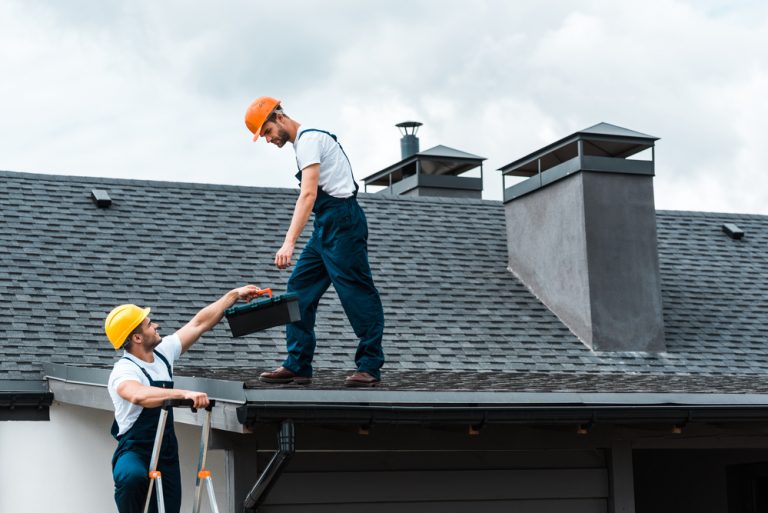
A roof is one of the most important structural components of any building, protecting the home from weather conditions, moisture, and external damage. Despite its importance, roof maintenance is often ignored until serious problems appear such as leaks, cracks, or structural weakening. Regular roof repair and maintenance not only extend the lifespan of the roof but also save significant repair costs in the long run. Whether you own a residential home or manage a commercial property, understanding how to properly maintain and repair your roof is essential for safety and durability.
Understanding Common Roof Problems and Early Warning Signs
Most roof issues start small but become expensive if ignored. One of the most common problems is water leakage, which usually begins due to cracked shingles, damaged flashing, or clogged drainage systems. Over time, water seepage can weaken the internal structure and even damage ceilings and walls.
Another frequent issue is missing or broken shingles, often caused by strong winds, heavy rain, or aging materials. These gaps expose the roof to further damage and reduce its ability to protect the building. Mold and algae growth is also common, especially in humid climates, and it can slowly deteriorate roofing materials.
Sagging roofs are a serious warning sign that indicates structural weakness, often due to prolonged water damage or poor construction. Homeowners should also watch for signs like peeling paint near the roofline, increased energy bills due to insulation issues, and visible light entering through the attic.
Identifying these problems early allows for quick repairs, preventing costly replacements and structural damage.
Regular Roof Maintenance Practices for Long-Term Durability
Routine maintenance is the key to extending the life of any roof. One of the most important practices is regular inspection. It is recommended to inspect the roof at least twice a year, ideally during spring and autumn, as well as after heavy storms.
Cleaning is another essential step. Leaves, branches, and debris can accumulate on the roof and in gutters, blocking proper water drainage. Clogged gutters often lead to water overflow, which can damage both the roof and the foundation of the building. Keeping gutters clean ensures smooth water flow and reduces the risk of leaks.
Trimming nearby trees is also important. Overhanging branches can scratch roofing materials and drop debris that causes blockages. Additionally, removing moss and algae buildup helps maintain the roof’s structural integrity and appearance.
Proper attic ventilation should not be ignored. Good airflow prevents moisture buildup, reduces heat accumulation, and protects roofing materials from premature aging. Regular maintenance may seem simple, but it plays a major role in preventing long-term damage.
Effective Roof Repair Techniques and Material Considerations
When damage occurs, timely repair is essential to prevent further deterioration. Small leaks can often be fixed using roofing sealants or patching materials, while damaged shingles can be replaced individually without needing a full roof replacement.
Flashing repair is another important aspect. Flashing is the material used around chimneys, vents, and skylights to prevent water entry. If it becomes loose or corroded, it should be resealed or replaced immediately to avoid leaks.
The choice of roofing material also affects repair methods and durability. Asphalt shingles are commonly used due to their affordability and ease of repair. Metal roofs are more durable and resistant to weather conditions but may require specialized repair techniques. Tile roofs offer excellent longevity but can be fragile and need careful handling during repairs.
Hiring professional roofers is recommended for major repairs, especially when structural damage is involved. Professionals can accurately assess the condition of the roof and use appropriate materials and techniques to restore its strength.
Preventive Measures and Cost-Effective Roof Care Strategies
Preventive maintenance is always more cost-effective than emergency repairs. One of the best strategies is applying waterproof coatings that add an extra layer of protection against rain and moisture. These coatings can significantly extend the life of the roof.
Installing proper insulation is another effective measure. It not only improves energy efficiency but also reduces temperature fluctuations that can damage roofing materials over time.
Scheduling professional inspections annually helps identify hidden issues that may not be visible to homeowners. Early detection of problems such as weak joints or hidden leaks can prevent expensive repairs in the future.
Budget planning for roof maintenance is also important. Setting aside a small annual maintenance budget ensures that minor repairs are handled immediately without financial stress. Over time, consistent preventive care reduces the need for full roof replacements and ensures the building remains safe, efficient, and well-protected.